Photography Guide
Home Photo Background Ideas: 8 Apartment Setups Compared
You do not need a studio or expensive interior to get a cleaner background. Ordinary walls, curtains, doors, bedrooms, kitchens and hallways can work well when you control clutter, distance and light.
Quick answer
The best background is usually the simplest usable part of the room.
Start with a clean wall, curtain or quiet corner near good light. Then create some distance between the subject and background, remove distracting objects and check the edges of the frame.
Comparison
Which home background works best?
| Background | Look | Difficulty | Best use |
|---|---|---|---|
| Plain wall | Very clean | Easy | Portraits + outfits |
| Curtains | Soft texture | Easy | Portraits |
| Bedroom corner | Relaxed lifestyle | Medium | Lifestyle photos |
| Wooden door | Simple contrast | Easy | Full-body photos |
| Simple shelf | Controlled detail | Medium | Lifestyle portraits |
| Kitchen | Everyday context | Medium | Casual storytelling |
| Hallway | Strong depth | Medium | Fashion + full body |
| Window / balcony | Bright + open | Medium | Daytime lifestyle |
Eight setups
What changes with each background
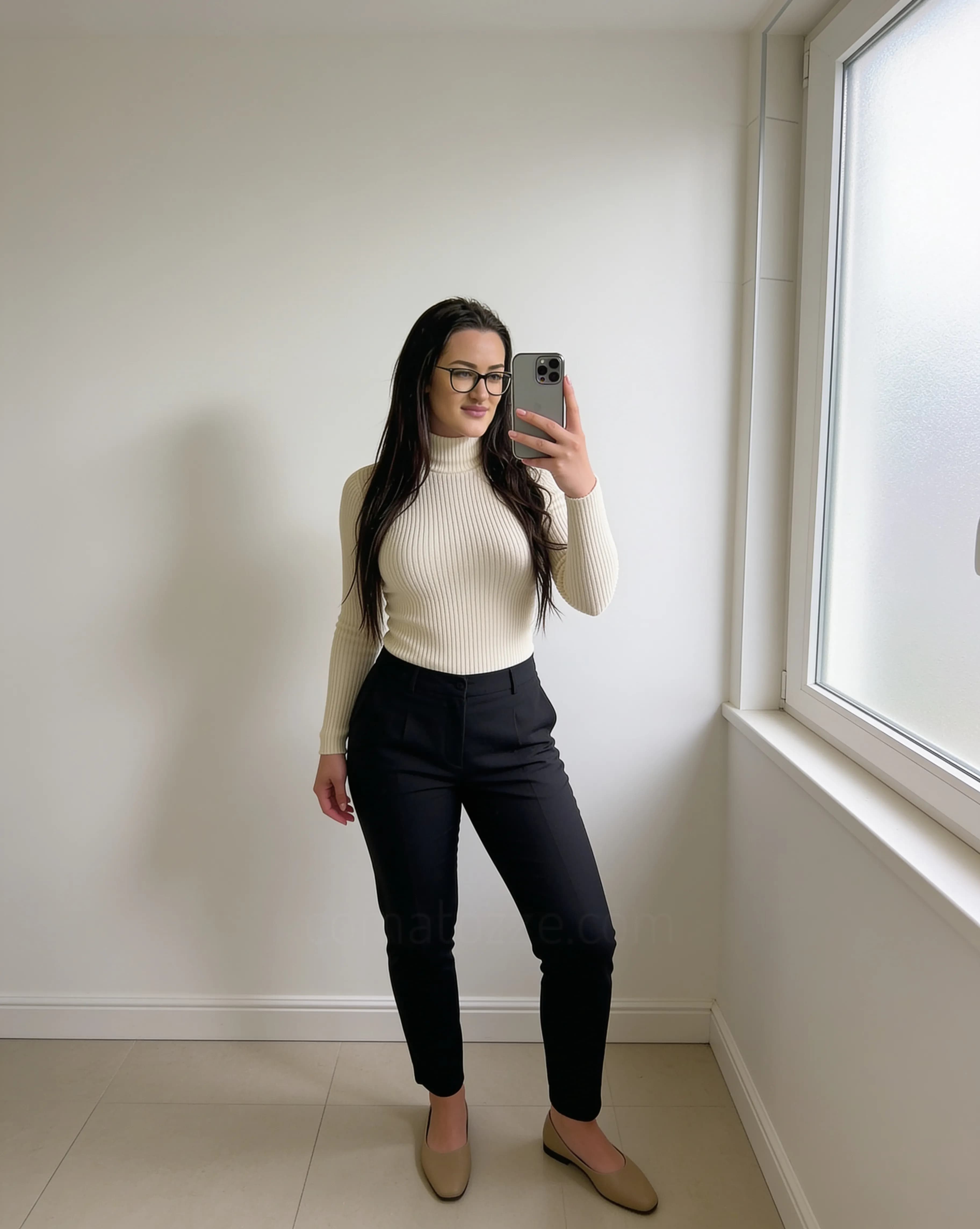
Plain wall
A plain wall gives you the least visual competition and makes it easier to control composition, light and subject placement.
Best for
Outfit photos, portraits and simple profile images
Watch for
Standing directly against the wall can create harsh shadows and make the image feel flat.
Quick fix
Move the subject forward and keep enough distance to soften the wall shadow.
Curtain background

Curtains add texture without introducing many distracting objects. Their folds can also make a plain room feel more intentional.
Best for
Portraits, fashion photos and softer lifestyle images
Watch for
Strong backlight through the curtain can make the subject too dark.
Quick fix
Turn slightly toward the window or reduce the brightness difference between subject and background.
Bedroom corner
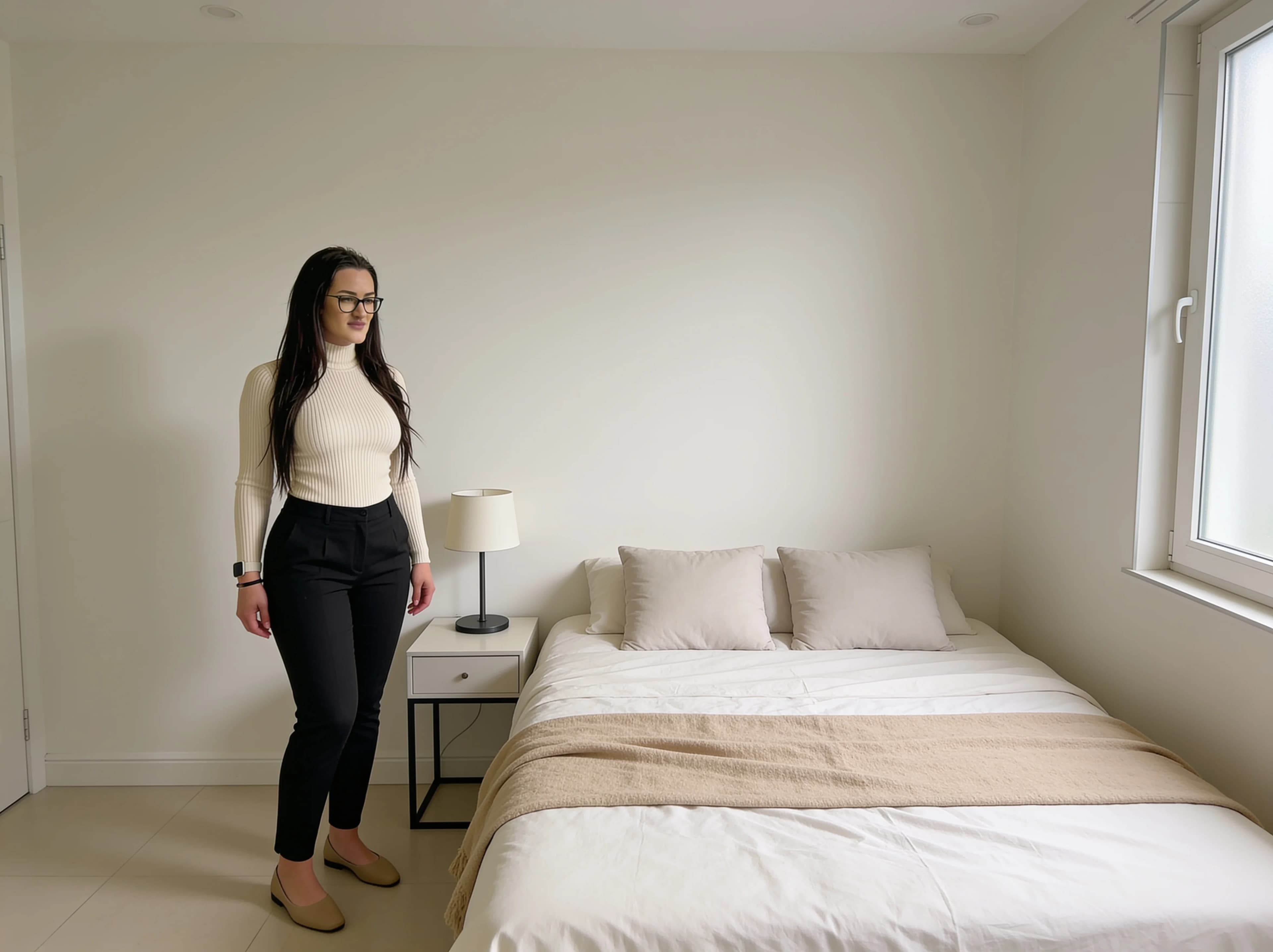
A neatly styled bed can make a photo feel relaxed and natural while still giving the scene a clear visual structure.
Best for
Lifestyle posts and casual portraits
Watch for
Too many pillows, clothes or bedside objects can quickly make the frame look cluttered.
Quick fix
Keep only a few visible objects and simplify the bedding before taking the photo.
Wooden door
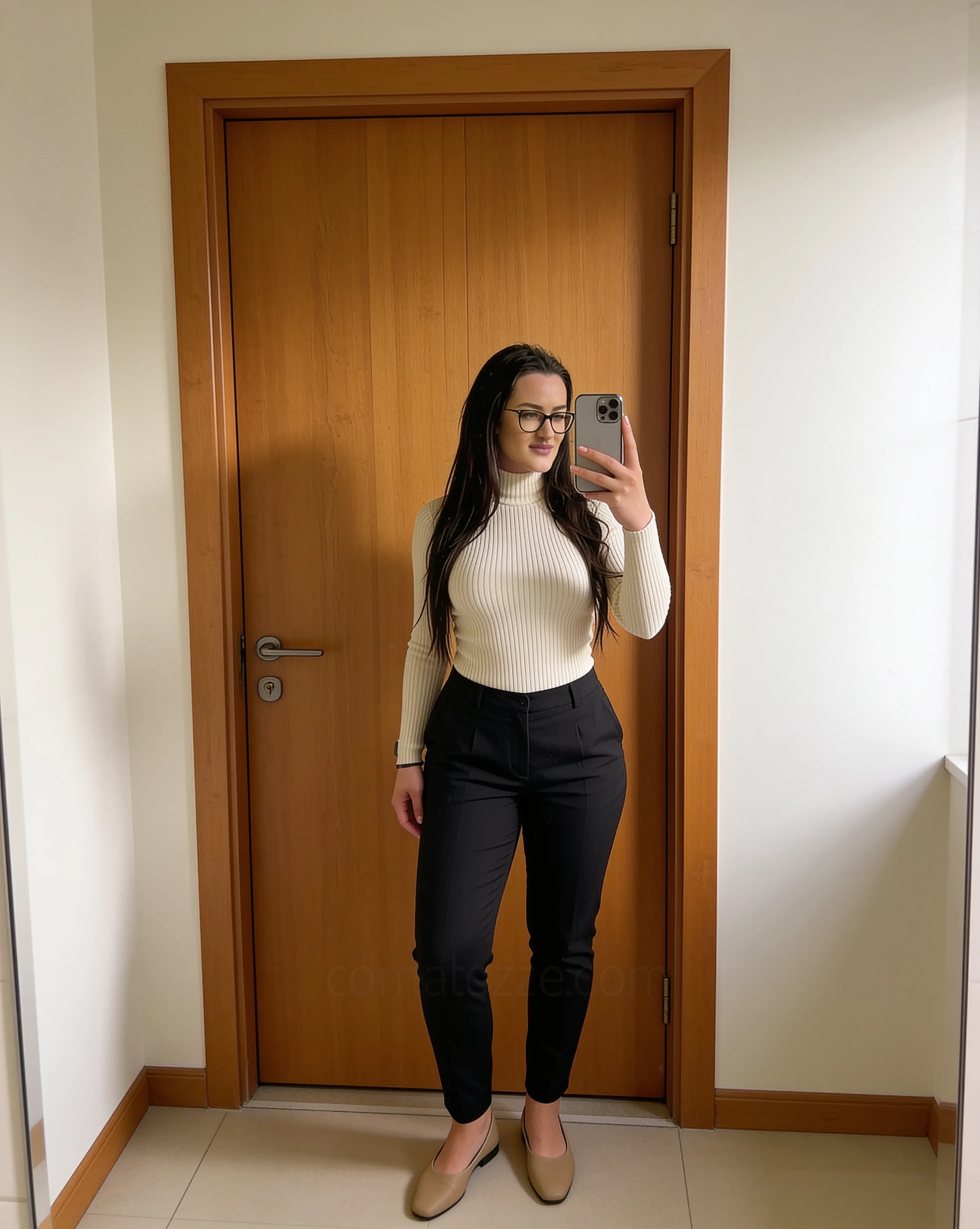
A wooden door adds quiet color and texture while remaining simple enough for the subject to stay dominant.
Best for
Outfit photos and quick full-body portraits
Watch for
Strong vertical edges can look awkward if they line up directly with the subject's head or shoulders.
Quick fix
Shift the camera or subject slightly so major lines sit beside the body instead of cutting through it.
Simple shelf
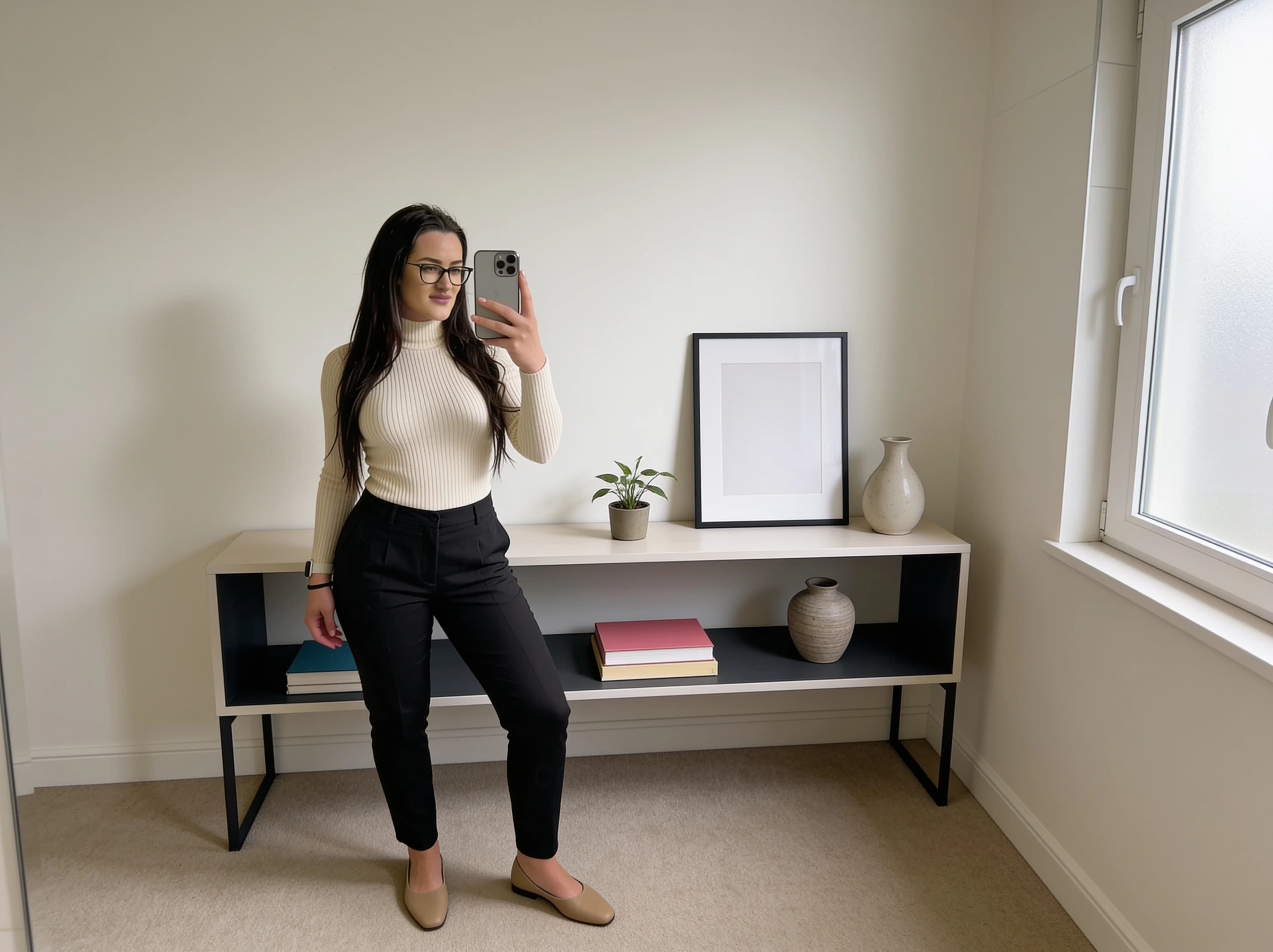
A lightly styled shelf adds personality to the scene while still allowing the subject to remain the main focus.
Best for
Lifestyle portraits and home-content photos
Watch for
Too many decorative objects can make the image feel busy and reduce separation from the subject.
Quick fix
Remove about half the visible objects and leave intentional empty space.
Kitchen background
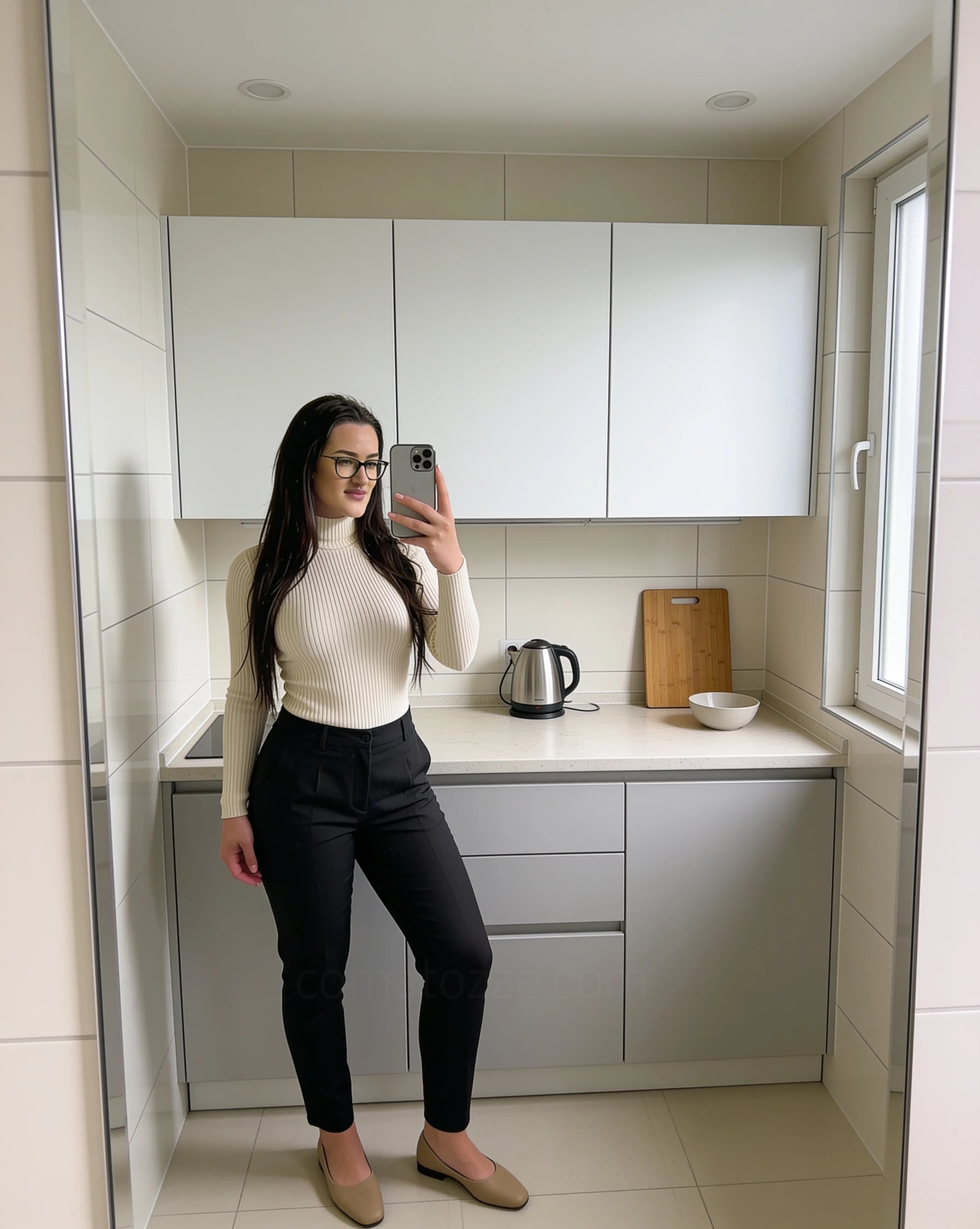
A kitchen can work well when counters are relatively clear and the background lines are kept simple.
Best for
Everyday lifestyle content and casual storytelling
Watch for
Small appliances, bottles and utensils can create unexpected distractions around the subject.
Quick fix
Clear the immediate area behind the subject and check the frame edges before shooting.
Hallway background
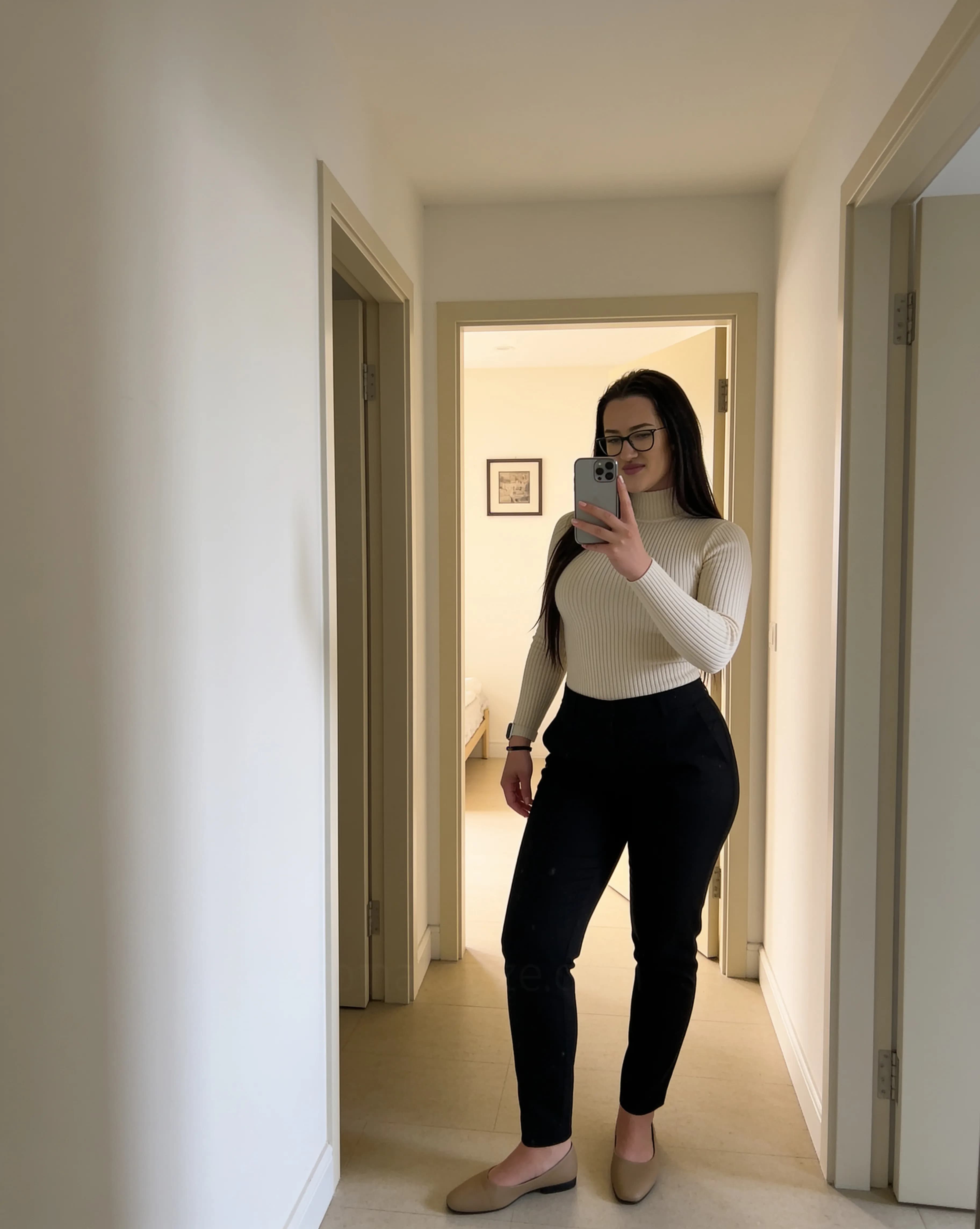
Hallways naturally create depth through leading lines and repeated doorways, which can make a small apartment feel more spacious.
Best for
Full-body portraits and fashion photos
Watch for
Busy doorways or crooked vertical lines can make the composition feel unstable.
Quick fix
Keep the phone level and simplify visible rooms or doorways when possible.
Window or balcony area
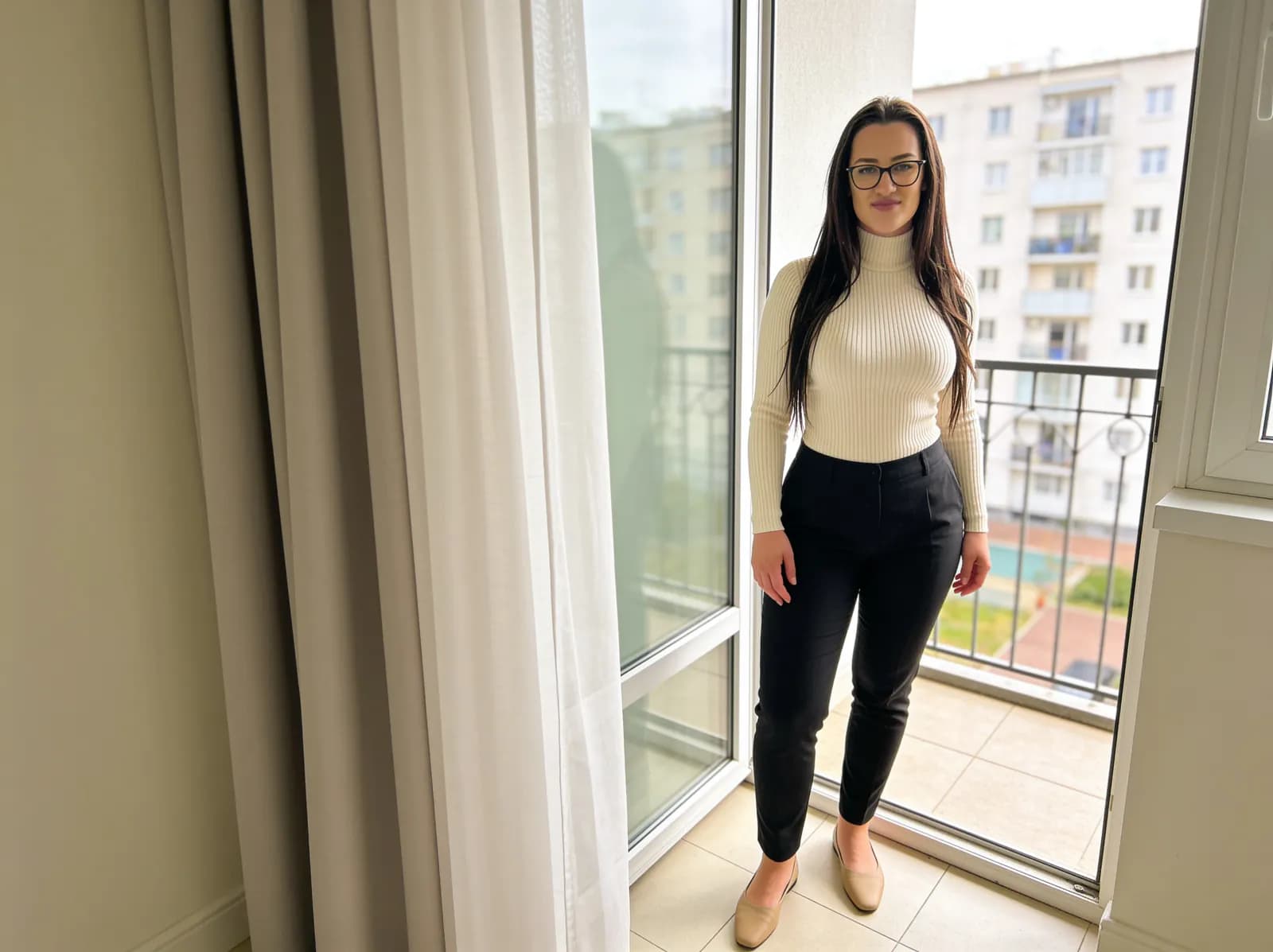
Large windows and balcony doors can create a bright, open look and provide natural environmental context.
Best for
Daytime lifestyle photos and airy portraits
Watch for
The outdoor view may become extremely bright while the subject becomes too dark.
Quick fix
Expose for the subject while keeping enough window detail, or change the shooting angle to reduce the brightness difference.
How far should you stand from the background?
Distance helps separate the subject from the room. If you stand directly against a wall, curtain or piece of furniture, shadows and background details often become more noticeable.
If space allows, try moving roughly one to two meters forward and compare the result. In a smaller room, even half a meter can help.
A simple clutter test
Before taking the photo, look only at the background and ignore the subject for a few seconds. Anything that immediately attracts your eye may become distracting in the final image.
✓ Remove loose clothing and cables.
✓ Clear bottles, cups and small packaging.
✓ Simplify crowded shelves.
✓ Check doorways into other rooms.
✓ Look for objects behind the head and shoulders.
✓ Check both edges of the frame.
Background color matters less than contrast
You do not need a specific wall color. What matters more is whether the subject separates clearly from the background.
Dark clothing against a dark wall can merge together, while a very pale outfit against a bright wall can lose definition. Changing position, light direction or clothing contrast can solve this without repainting anything.
5 common background mistakes
1. Using too many decorative objects
A visually interesting room can still be a poor photo background if too many objects compete for attention.
2. Standing directly against the wall
This often creates stronger shadows and removes depth.
3. Ignoring lines behind the subject
Door frames, shelves and furniture edges can appear to cut through the head or shoulders.
4. Shooting toward an extremely bright window
The phone may darken the subject or completely lose outdoor detail.
5. Looking only at the center of the frame
Small distractions usually hide near the edges, so scan the entire preview before taking the final photo.
30-second setup
Before you take the photo
✓ Find the cleanest usable area near good light.
✓ Remove obvious clutter.
✓ Move away from the background.
✓ Check vertical and horizontal lines.
✓ Keep objects away from the head and shoulders.
✓ Check the frame edges.
✓ Take one test photo before changing anything else.
The easiest background to repeat
If you want one dependable home setup, use a plain wall or simple curtain near soft window light. Stand away from the background, remove anything distracting and keep the camera level.
Once that works, experiment with more contextual backgrounds such as a bedroom, kitchen or hallway.
About the visual examples
Sofia is a fictional virtual creator. The images in this guide are digitally created illustrative examples designed to demonstrate common apartment-background choices and composition principles.